First of all: what does “ct” mean?
Carats (ct) indicate the proportion of pure gold in the alloy: the higher the number, the higher the percentage of gold.
However, pure gold is naturally soft. This is why, to make it into jewellery, it is worked into an alloy (a mixture of metals), so that the pendant retains its shape, defined edges and durability in everyday use.
In practice, carats are not just a number: they influence colour tone, wear resistance, pricing and even the feel of the jewellery.
The golden rule: country first, carat weight second
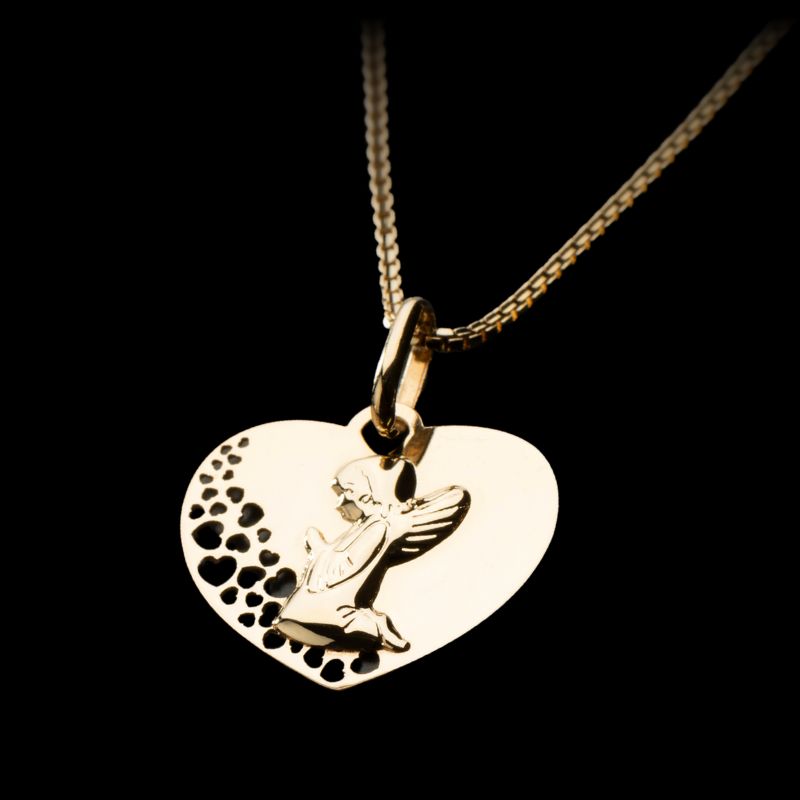
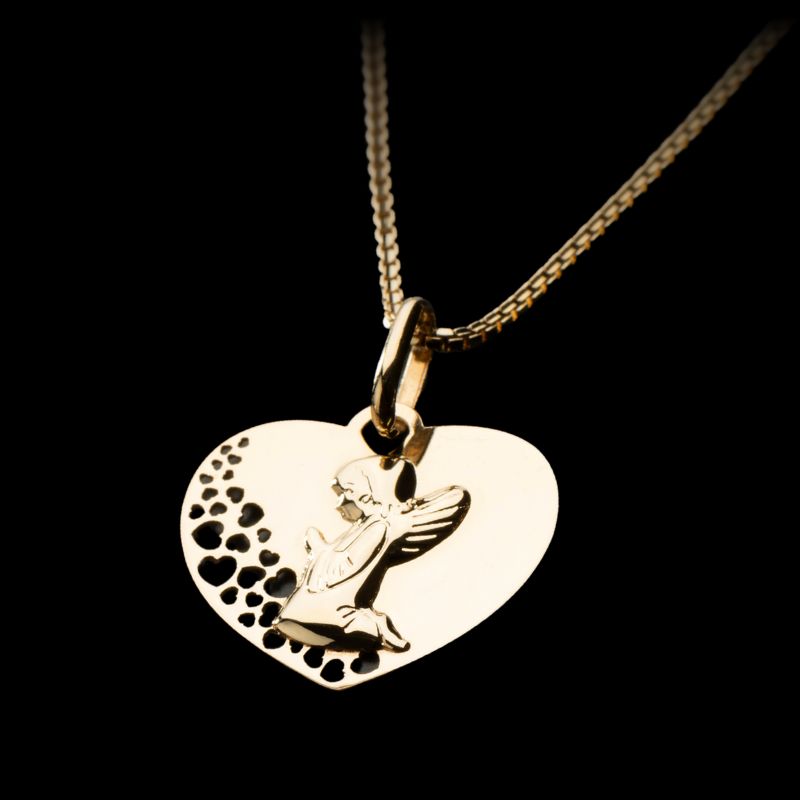
In retail, it’s not about personal taste; it starts with a simple question: where are you going to sell these pendants? Because every market has well-established habits, clear expectations and often even regulatory and commercial standards. This is where a very effective strategy comes into play: offering the same design in several carat weights, so as to cover different markets and price ranges without changing the collection.
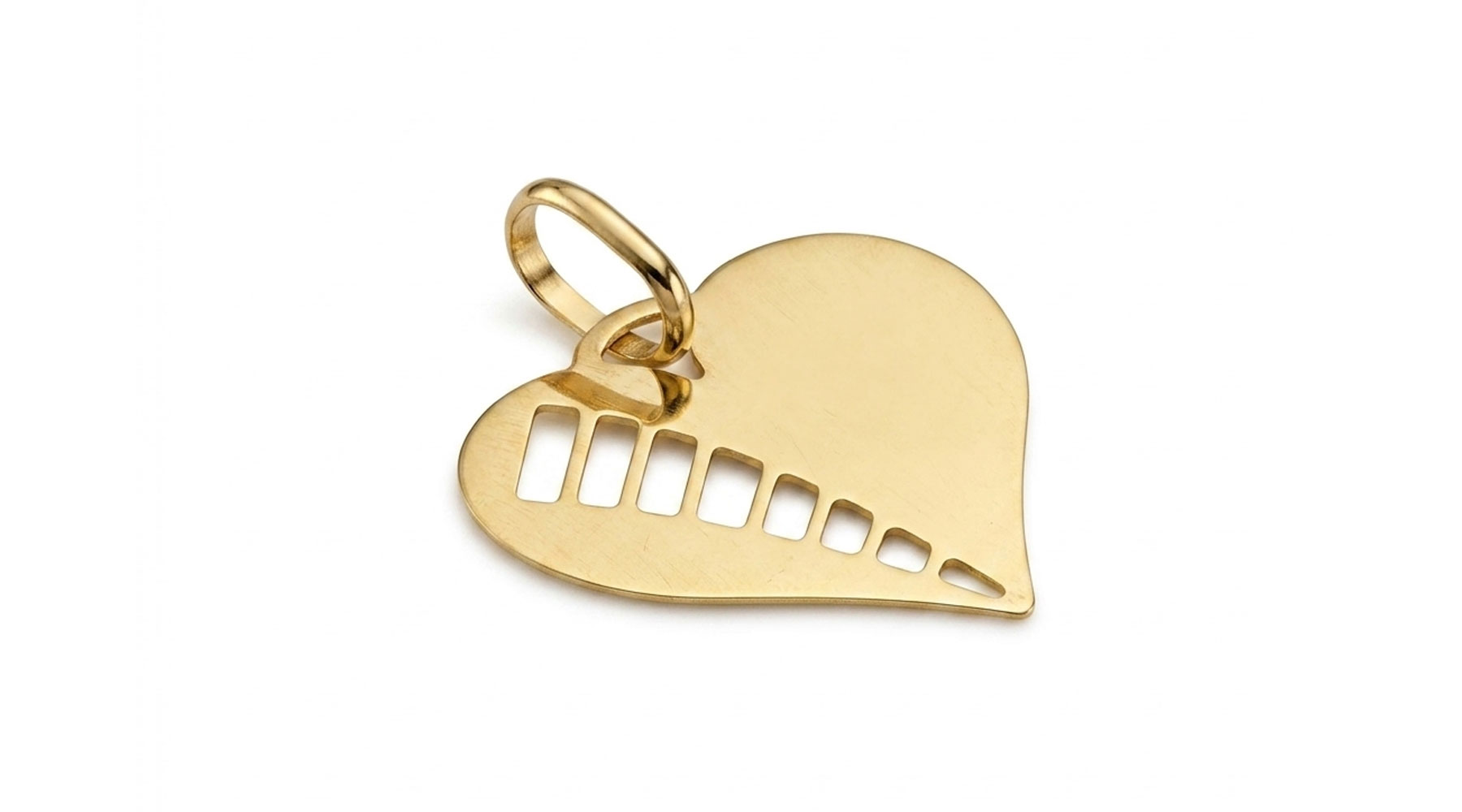
18 ct: high-end and richer colour
18-carat gold is the classic choice for those who want a pendant with a rich finish and a “noble” presence: it is the premium choice. The yellow is warmer and more intense, the white is brighter, and the rose is more captivating.This carat weight works well when the pendant is intended as a “permanent” gift or as a keepsake to be treasured over the years.
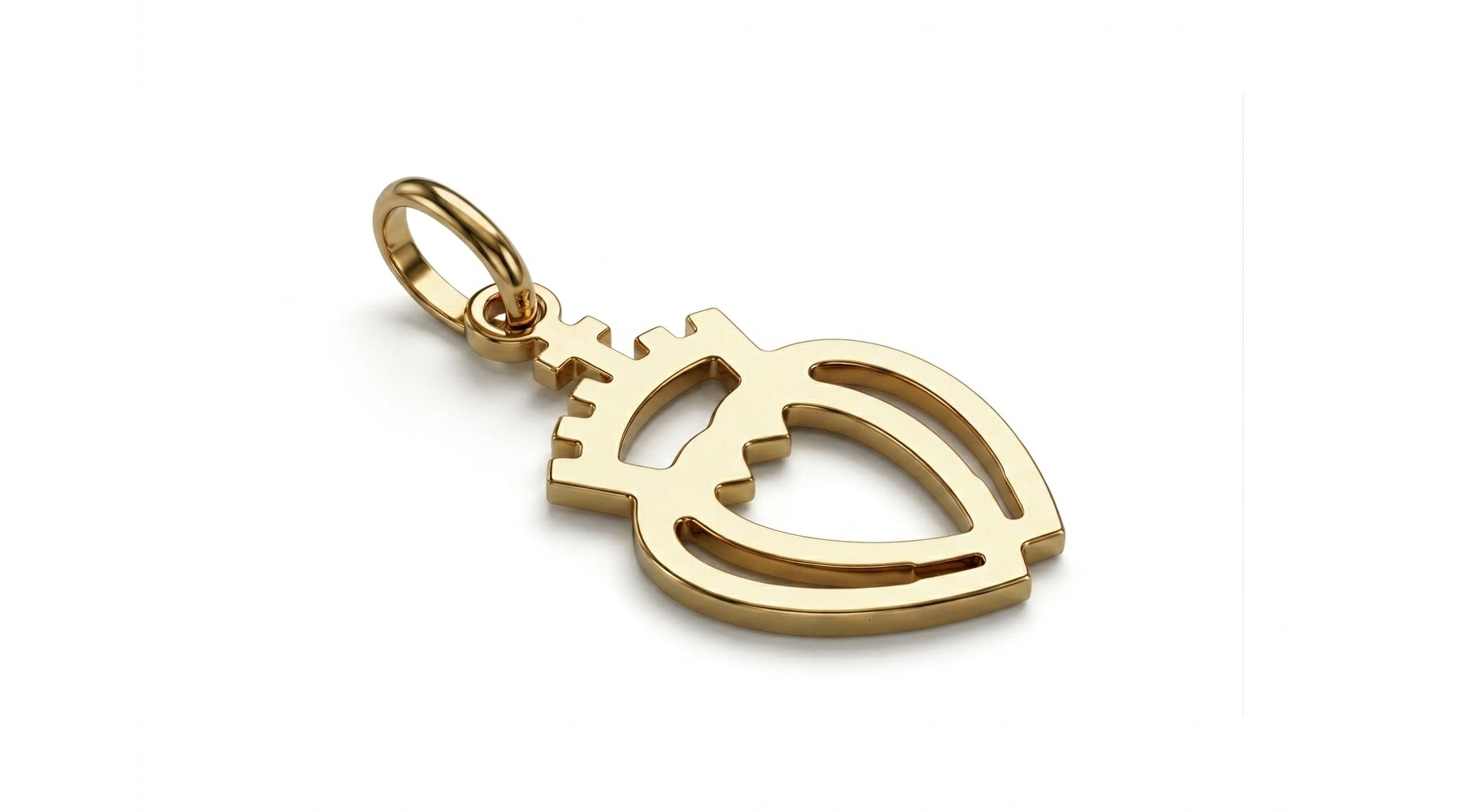
14 ct: a balance between look and practicality
14-carat gold is an excellent compromise. It retains a beautiful colour and is priced at a level that is suitable for a wide range of items. It is useful when you want a “central” proposal that works well across multiple channels and markets.
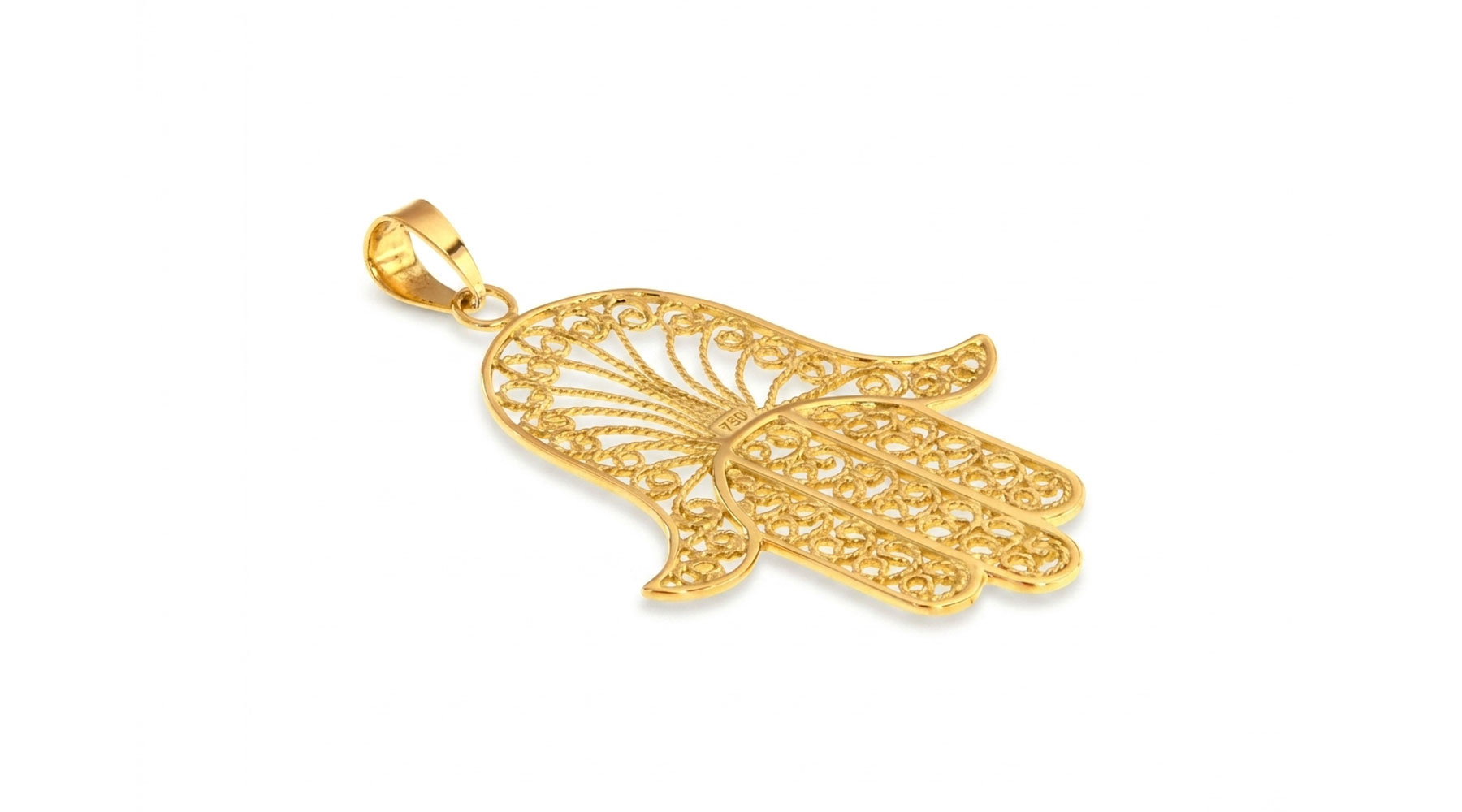
10 ct: a popular choice in certain overseas markets
10 ct is a key carat weight in several international markets, as it allows you to offer gold jewellery at a more affordable price. It is useful to include it in your catalogue when you want to cater for entry-level price ranges without changing your style or design.
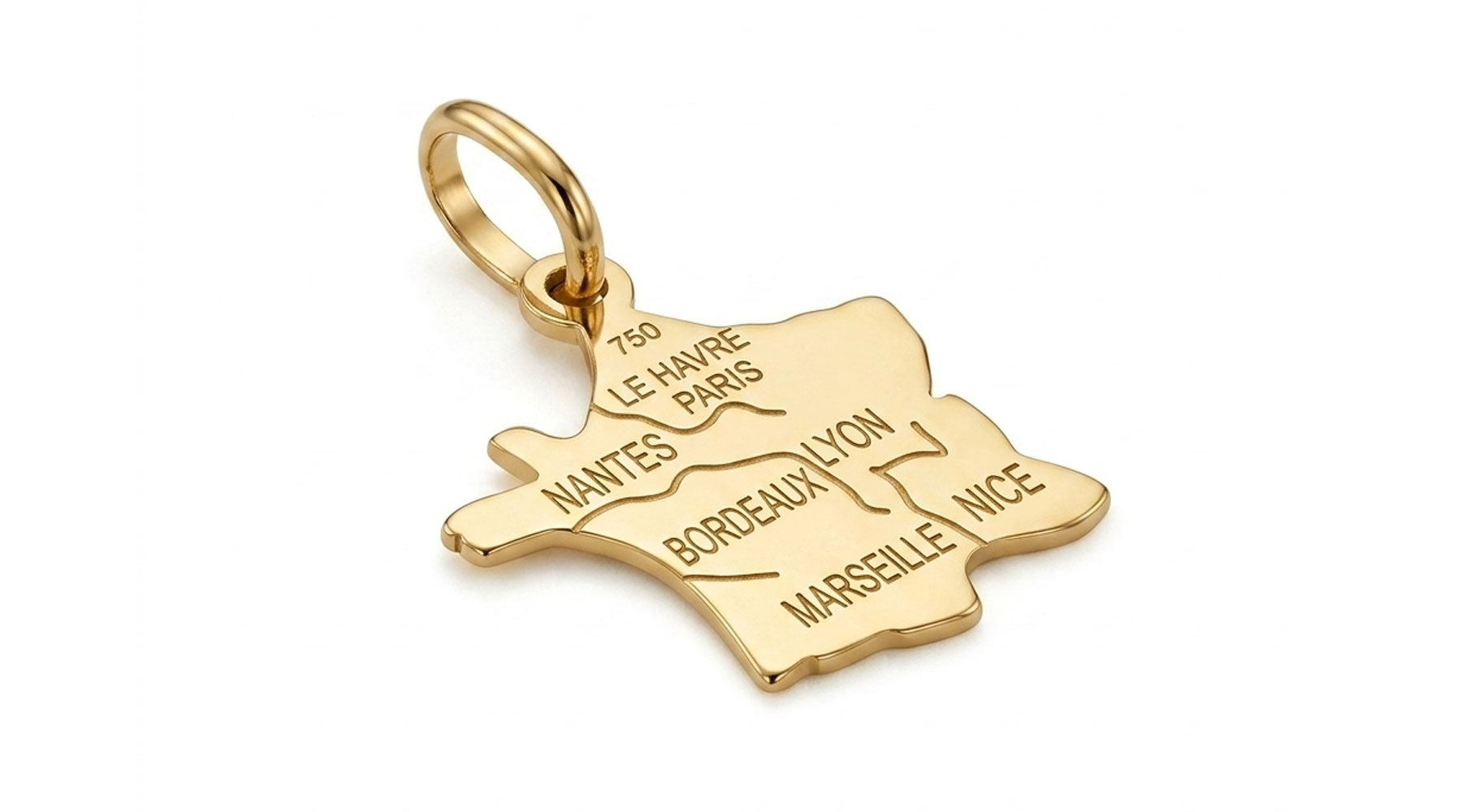
9 ct: the gold standard in France
In France, 9 ct is a well-established standard and is often the first choice on the shelves. In terms of the product, it offers a good balance between gold content and strength: the alloy is designed for frequent use, with pendants that consistently retain their shape and finish. Including 9 ct in your catalogue isn’t just “another option”: it’s the most direct way to meet market expectations.
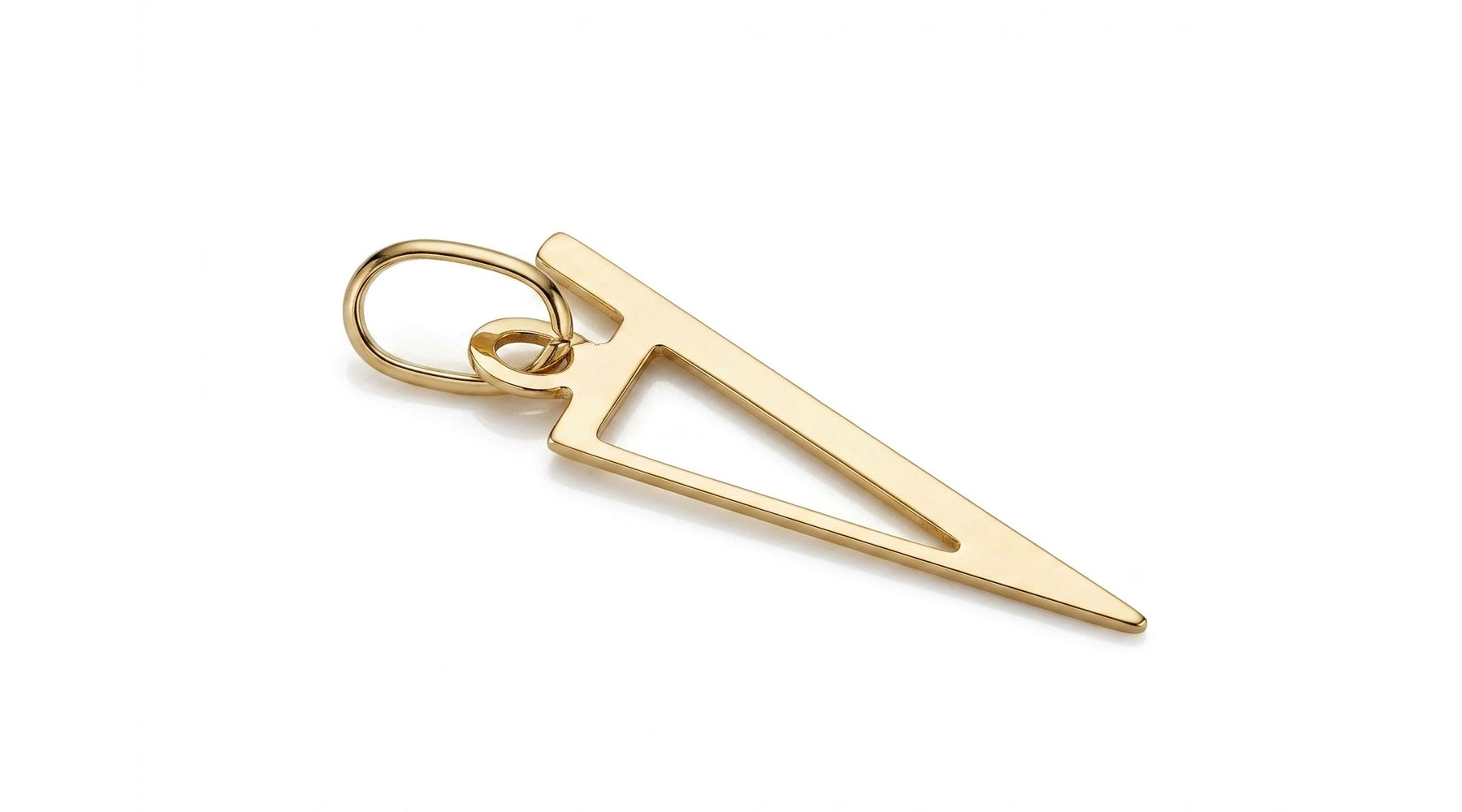
8-carat gold: practical, affordable, for everyday wear
8-carat gold is a very sound choice. It allows you to have a gold pendant at a more affordable price. This makes sense when the aim is to promote accessibility and rotation, while still offering a gold product. It is a useful tool for completing the price range and capturing more impulse buys.
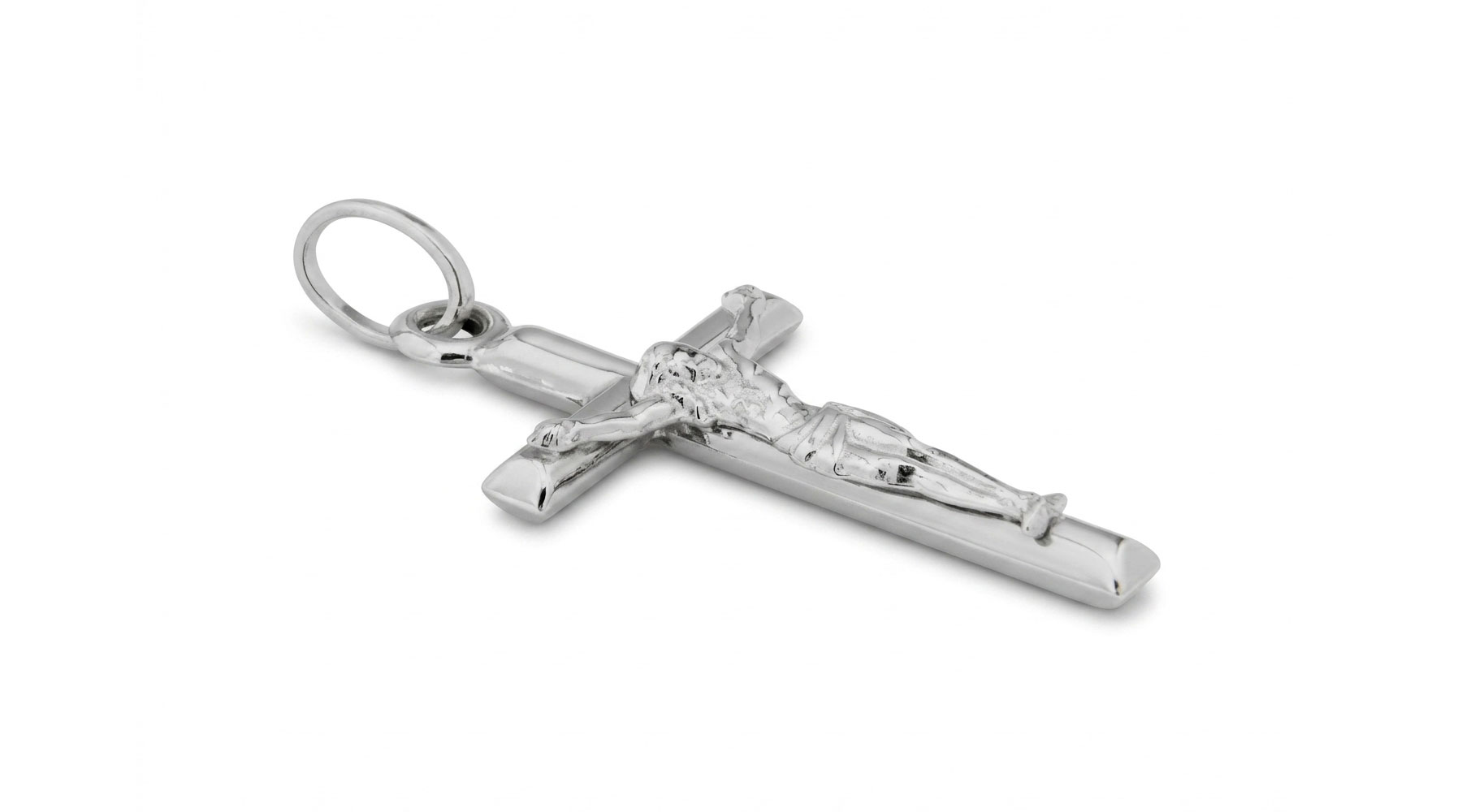
Ag 925: what if the customer asks for silver?
Our catalogue also features jewellery in 925 sterling silver (and, for some items, 800 silver): an effective way to expand your range into a different price bracket, offering a cleaner visual appeal and often making it easier for customers to decide on their first purchase.
What really makes a difference in a pendant
Without getting into technical details, here is what matters when choosing the carat weight:
A practical tip for retailers and importers
If you do business in multiple countries, create a “tiered” proposal: the same pendant, available in different carat weights.
In this way, you’re not simply choosing a carat weight: you’re creating a range that appeals to different markets.