The lucky charm pendant is one of the most stable categories in the catalogue: it isn’t tied to a specific occasion, it sells all year round, often as an impulse purchase. But for a wholesaler working across several markets, the right question isn’t “which charm do I like best” — it’s “which symbol does my customer already recognize“.
First things first: why lucky charms always sell
Unlike a pendant tied to a ceremony, a lucky charm doesn’t need an occasion to be bought. It’s given “for luck”, bought for oneself, or paired with a personal milestone — a new home, a trip, an exam, a fresh start. That makes it one of the steadiest-turning categories across the calendar year, useful for balancing an assortment that leans too heavily on seasonal occasions.
The golden rule: country first, symbol second
Every culture has developed its own language of luck over time: gestures, objects, animals that eventually became jewellery. Knowing this symbolic geography lets you build an assortment that speaks the end customer’s language, instead of offering the same catalogue everywhere. Here are the core subjects from the Cavinato Lucky Charms collection.
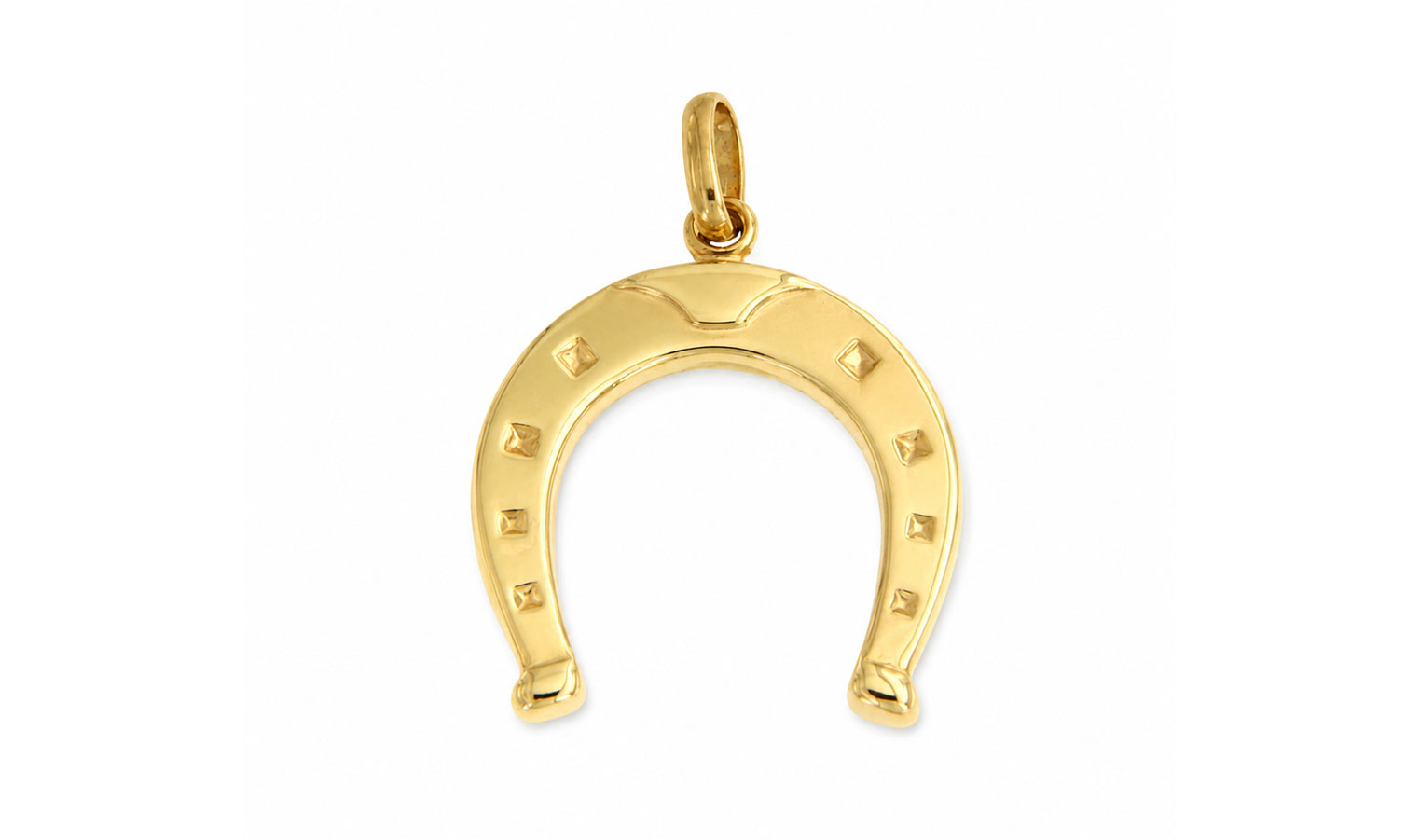
Horseshoe: a symbol that crosses cultures and borders
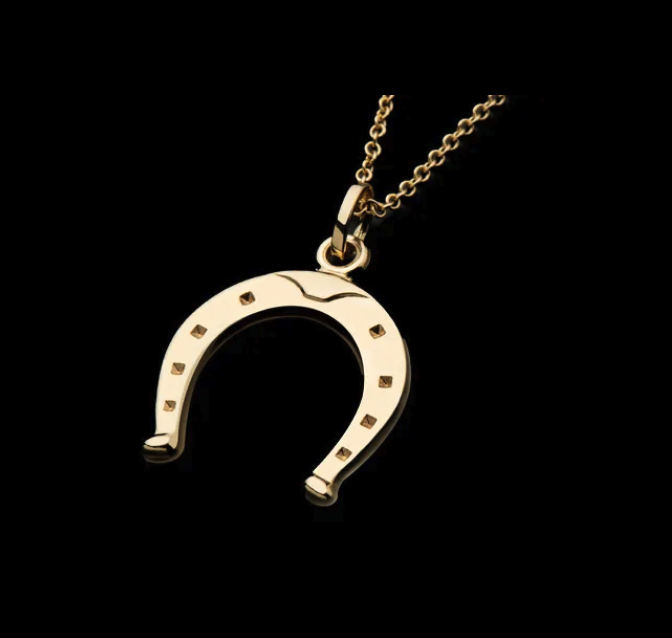
Probably the most universal lucky charm of all: recognized across Europe, in English-speaking countries and in many Mediterranean cultures, with the main variable being whether the points face up or down — a detail whose meaning shifts by local tradition. A subject that works in almost every market without needing adaptation.
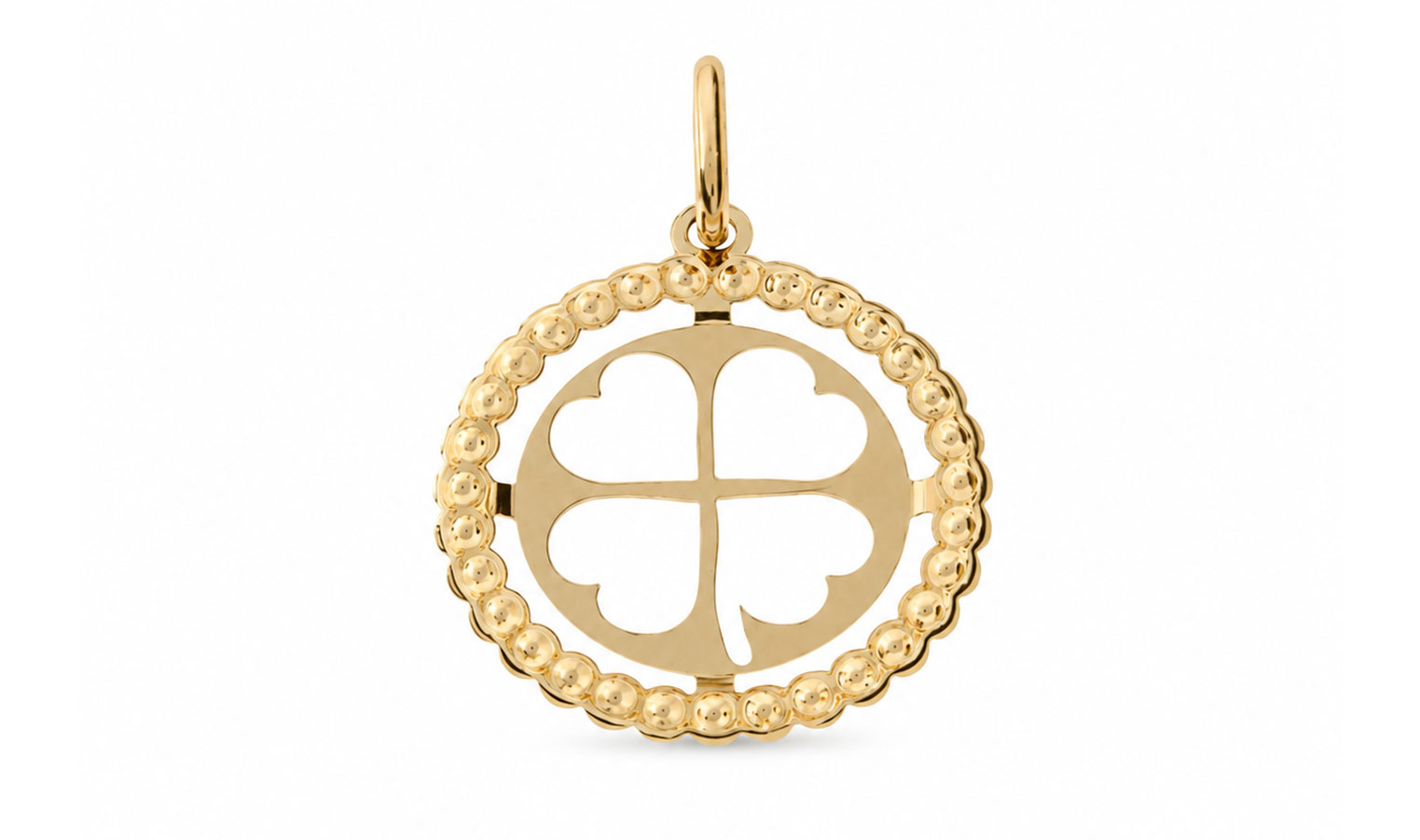
Four-leaf clover: the luck that speaks English
The four-leaf clover is the go-to lucky charm for English-speaking markets and, above all, for Ireland, where it’s tied to Saint Patrick and national identity. For anyone exporting to these regions, carrying the four-leaf clover — in several karats and in both men’s and women’s versions — is close to a baseline assortment requirement.
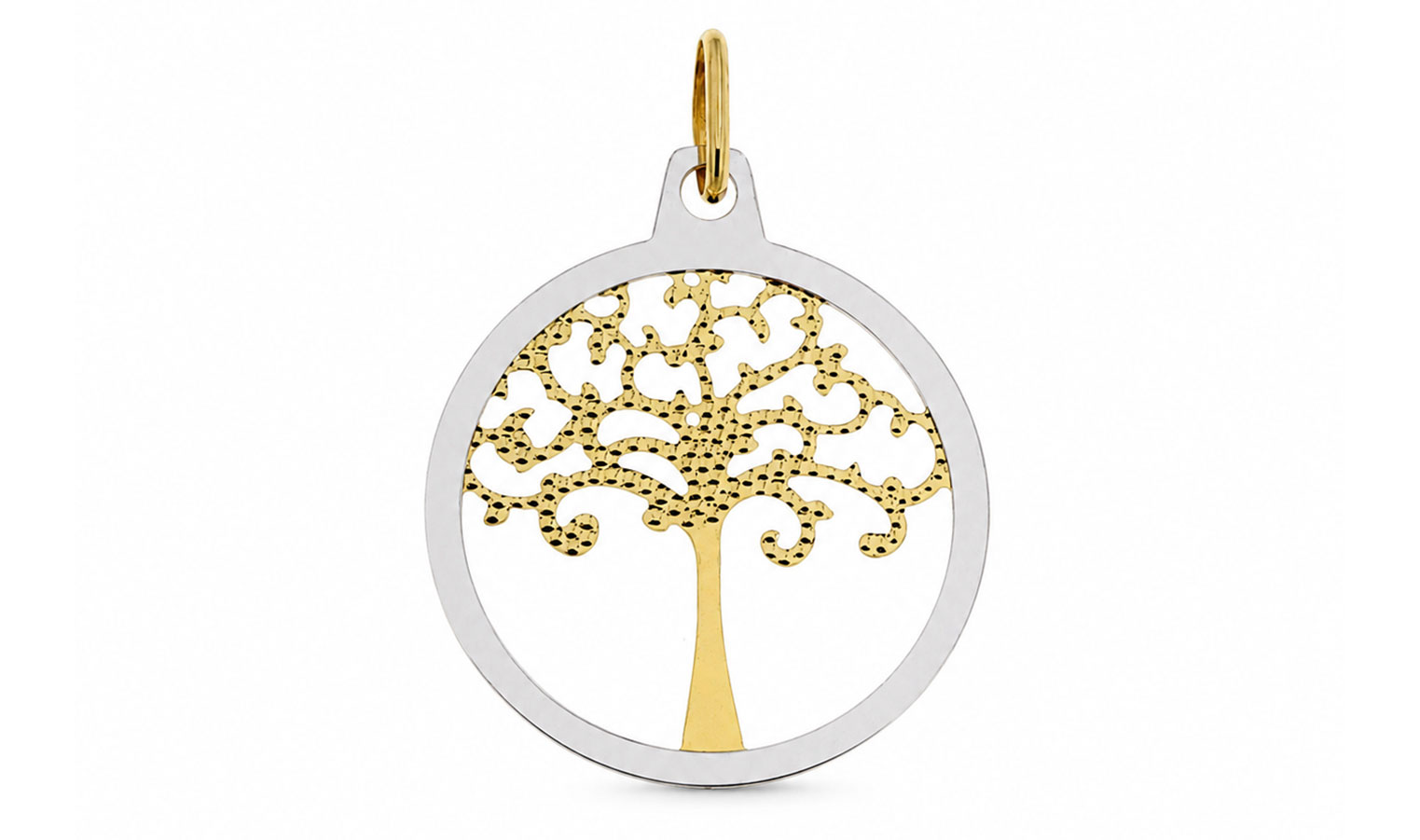
Tree of life: the lucky charm that becomes a symbolic gift
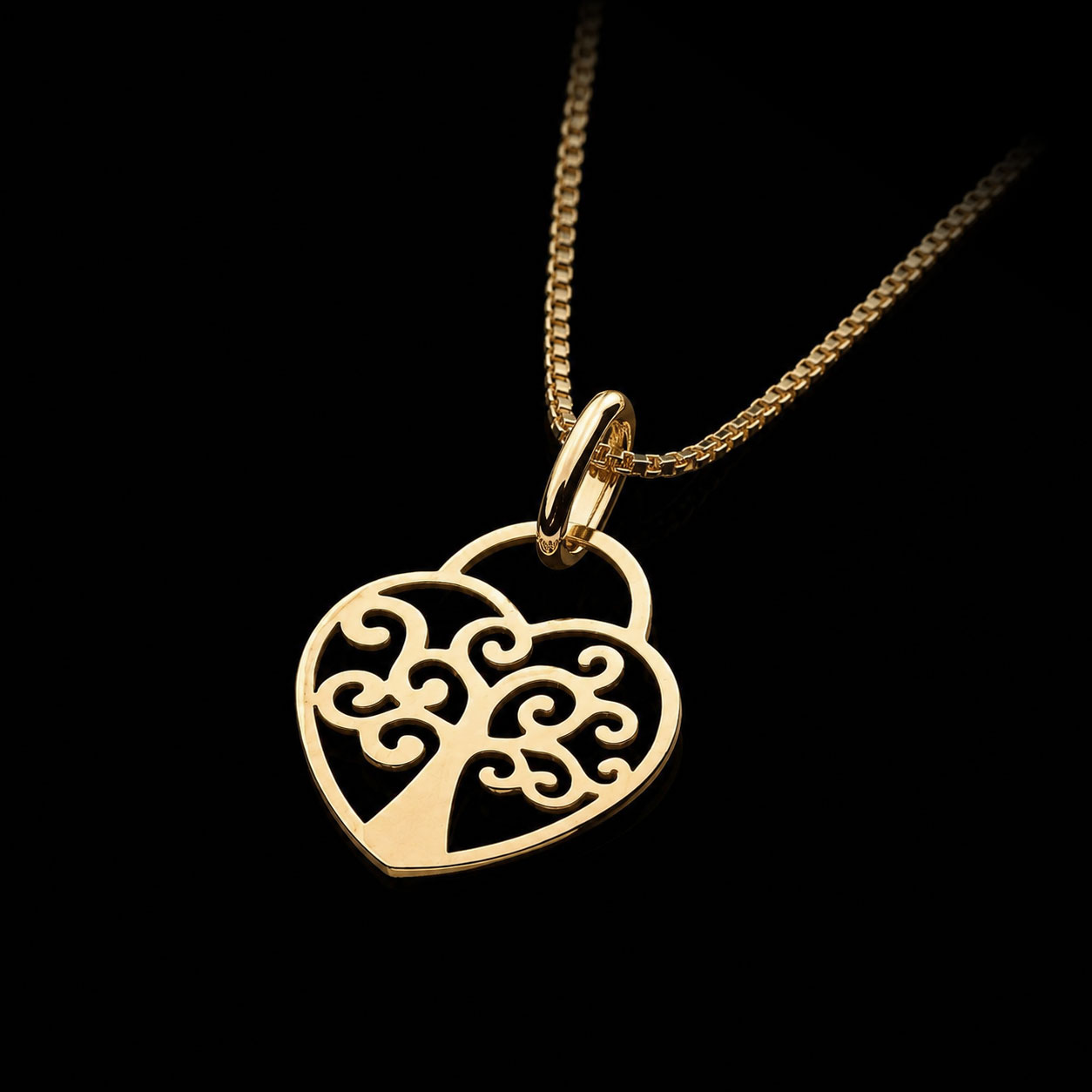
Different in register from the others: the tree of life isn’t tied to a single folk tradition, but to a broader imagery found in the sacred geometry of many cultures. That’s why it works well as a more “significant” gift, often chosen for births, graduations or personal milestones, sitting slightly higher in price than the cornicello or the four-leaf clover. To learn more about the origins of this symbol and its connection to sacred geometry, see the article The Tree of Life: symbolic meaning and ancient roots in sacred geometry.
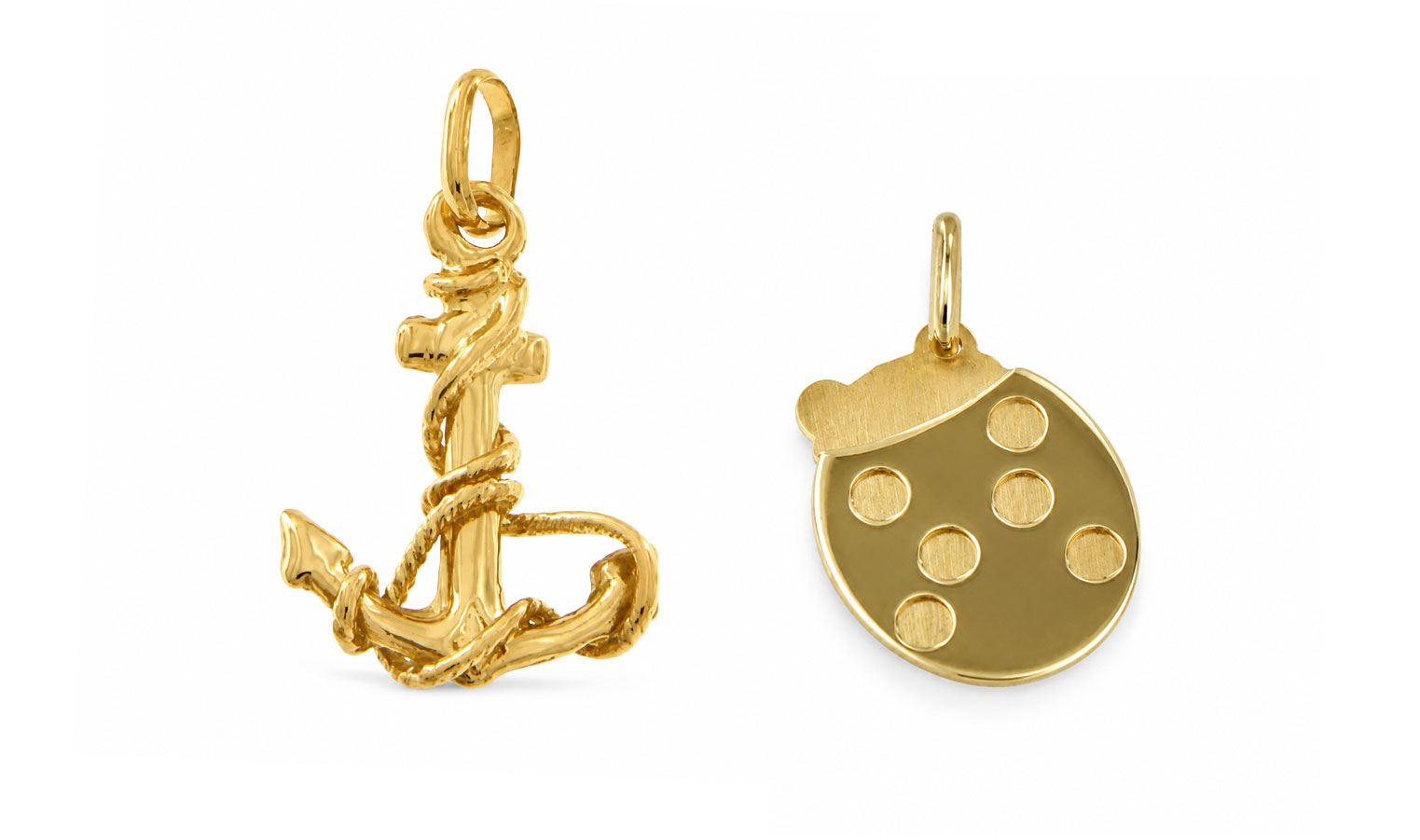
Ladybird, anchor and scarab: other good-luck symbols worth carrying
Alongside the four main subjects, the Cavinato catalogue includes other good-luck pieces with steadier, more niche demand: the ladybird (luck and protection, popular as a children’s gift), the anchor (stability and steadfastness, often chosen for nautical themes or as a “new beginning” gift), and the scarab (Egyptian-inspired, protection and rebirth). Useful for rounding out an assortment without adding complexity to the catalogue.
What actually changes in a lucky charm pendant
A practical tip for retailers and importers
As with karats, the most effective strategy isn’t to pick a single symbol, but to build a small cross-market collection: 3–4 lucky charm subjects, each in several karats, to cover different markets and price tiers without multiplying designs. It’s a simple way to capture impulse purchases all year round, without depending on a single occasion.